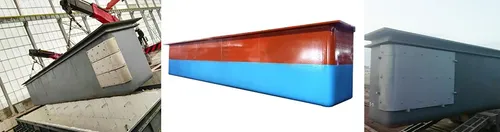
Zinc Galvanizing Kettle
| Brand Name | Hangzhou MetalWire Technology |
|---|---|
| Model Number | RST-XG-001 |
| MOQ | 1 set |
| Price | Negotiable |
| Delivery Time | 45-60 days |
| Payment Terms | T/T, L/C |
Product Description
1. Overview
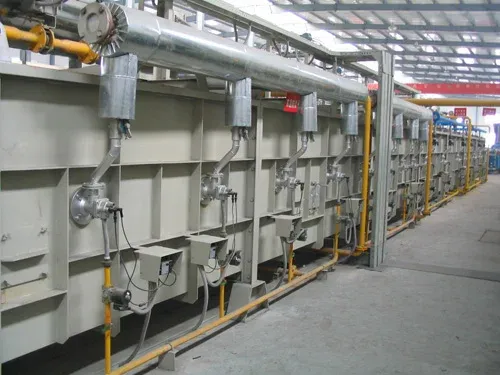
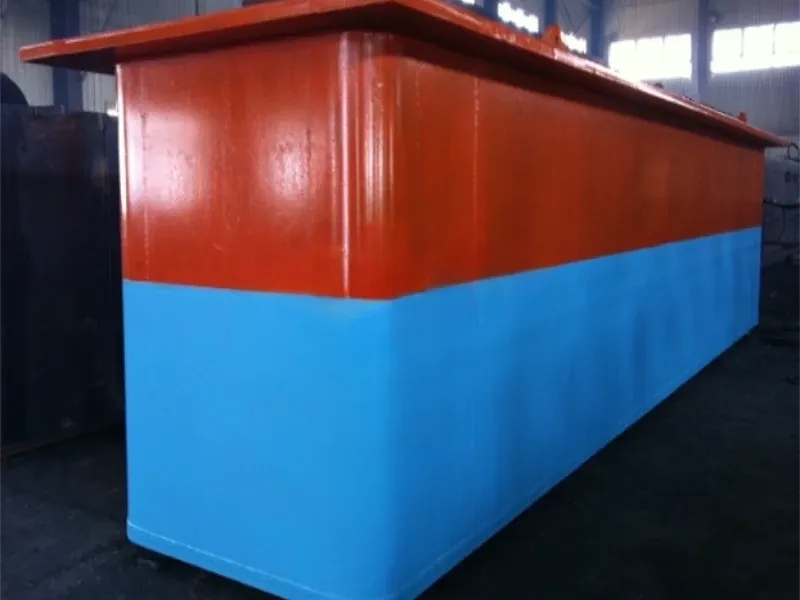
The zinc galvanizing kettle is the central vessel of a batch hot-dip galvanizing line. It holds molten zinc at the temperature required to form a metallurgical zinc-iron coating on steel parts. The kettle is heated by a furnace, and a temperature-control system maintains a stable bath temperature.
The kettle is fabricated from low-carbon, low-silicon steel to resist zinc corrosion and reduce dross formation. Proper kettle design, uniform heating, and disciplined operating practice extend service life and maintain coating quality.
2. Kettle and Furnace Materials
2.1 Kettle Steel
| Steel grade | C | Si | Mn | P | S | Als |
|---|---|---|---|---|---|---|
| AGXG08 | 0.06–0.11 | ≤0.03 | 0.30–0.65 | ≤0.025 | ≤0.015 | 0.015–0.065 |
Als = acid-soluble aluminum.
Residual elements: Ni ≤0.30%, Cr ≤0.10%, Cu ≤0.25%, N ≤0.008%.
When aluminum is calculated as total aluminum (Alt), the content should be 0.02–0.07%.
2.2 Furnace Materials
| Steel grade | C | Si | Mn | P | S | Ni | Cr | N | Application |
|---|---|---|---|---|---|---|---|---|---|
| Q235B | ≤0.20 | ≤0.35 | ≤0.70 | ≤0.045 | ≤0.045 | - | - | - | Furnace body |
| 310S | ≤0.08 | ≤1.00 | ≤2.00 | ≤0.035 | ≤0.030 | 19.00–22.00 | 24.00–26.00 | 0.02 | Support rack |
All values are mass fraction, %.
3. Design and Operating Features
- Uniform coating on complex shapes, including hollow sections
- Total immersion for consistent coating thickness on all surfaces
- Low zinc consumption through controlled bath operation
- Resistance to deformation under sustained thermal load
- Reduced zinc dross generation
- Replaceable, restorable, or upgradeable kettle configuration
4. Applications
- Structural steel and fabrication
- Transmission and lighting poles
- Gratings, ladders, and platforms
- Pipes, fittings, and hardware
- Agricultural and municipal steel products
5. Operating Precautions
- Keep the furnace chamber temperature below 750 °C.
- Keep the zinc temperature below 460 °C during galvanizing. Before starting the kettle, establish a temperature-rise curve under the actual operating conditions; the heating rate should be less than 10 °C per hour.
- Keep the bottom dross layer below 150 mm. Remove excess dross promptly and prevent zinc ash from accumulating on the exterior.
- Maintain a reasonable zinc bath capacity. The zinc level should not fall below the heating surface, and production output should be balanced against kettle volume and heat input.
- Keep heating uniform across the kettle surface. Avoid local overheating.