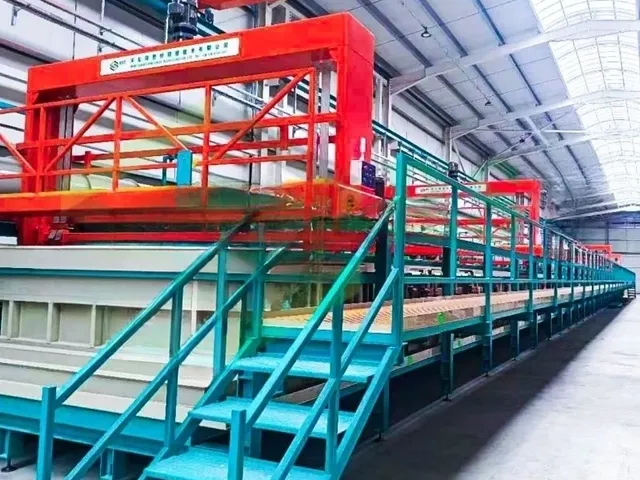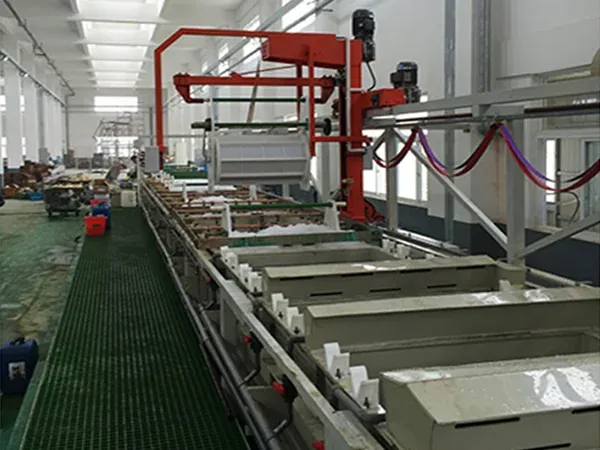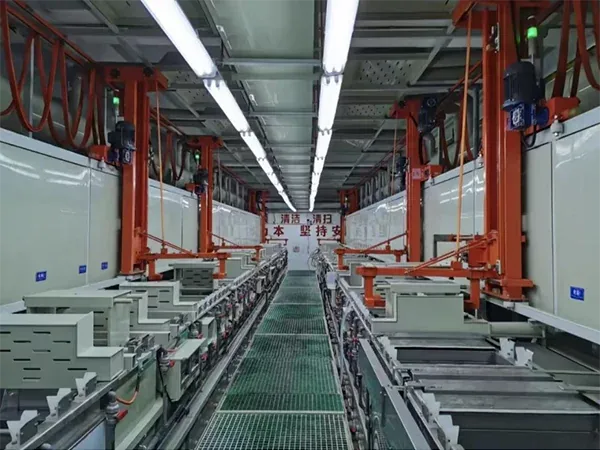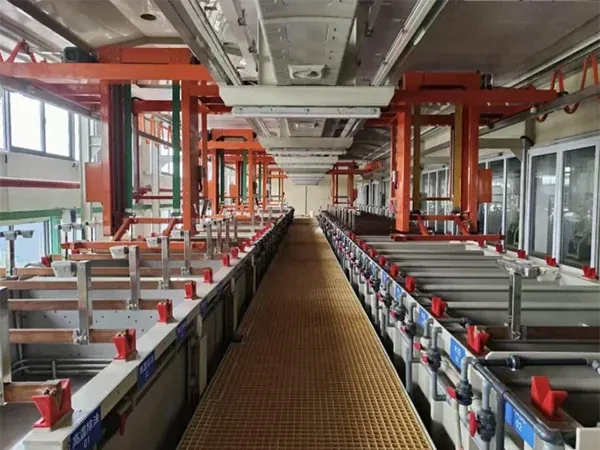
Silver Plating Production Line
| Brand Name | Hangzhou MetalWire Technology |
|---|---|
| Model Number | - |
| MOQ | 1 set |
| Price | Negotiable |
| Delivery Time | 45-60 days |
| Payment Terms | T/T, L/C |
Product Description
1. Overview
The silver plating production line is an electrolytic system for depositing a silver layer on metal or non-metal workpieces. Silver provides excellent electrical conductivity, high reflectivity, good solderability, and a decorative appearance.
2. Core Structure
The line consists of five main systems.
2.1 Pretreatment System
This stage is the foundation of the process and ensures clean, stable surfaces through:
- Degreasing to remove oil and contaminants
- Pickling to eliminate metal oxides (with activation and roughening steps for non-metal substrates)
- Pre-plating (such as a copper underlayer) to enhance silver adhesion and prevent substrate impurities from diffusing into the silver layer
2.2 Electrolytic System
The core of the process includes:
- Corrosion-resistant plating tanks made of PP or PVC, containing a cyanide-based or cyanide-free silver electrolyte (the latter is more environmentally friendly)
- Soluble silver anodes or insoluble titanium anodes, selected according to the electrolyte type, to ensure stable silver ion replenishment
- A low-voltage DC power supply (1–6 V) to precisely control the deposition rate
2.3 Post-treatment System
This system ensures coating quality and protection through:
- Multi-stage rinsing to remove residual electrolyte and prevent tarnishing
- Anti-tarnish treatment (such as immersion coating with protective agents) to delay oxidation and discoloration
- Low-temperature drying to preserve brightness and luster
2.4 Conveying System
Precision racks or rotary drums handle and transfer workpieces of various sizes in an orderly and efficient manner.
2.5 Control System
A PLC and touchscreen interface allow real-time monitoring of electrolyte temperature (20–35 °C), pH value (±0.2), and coating thickness (±0.2 μm).
3. Key Advantages
- Excellent electrical conductivity, ideal for low-resistance electronic components
- High reflectivity, suitable for optical and decorative applications
- Good solderability for electronic assembly
- Precisely controlled thickness (0.1–10 μm) balancing performance and cost